
Summer has gone and Britain’s long winter awaits, with its grey skies, rain and damp – what’s not to love? The birds of the Northwest European flyway certainly relish our climate’s comparative mildness though, flocking here in huge numbers to escape the prospect of heavy snow and lengthy frosts further north and east.
Meet the new arrivals
Our centres spring to life in the late autumn, as flocks of ducks and waders, and skeins of geese and swans descend. bringing their spectacle, their noise and their general effervescence. Luminous against the grey landscape is the white plumage of Bewick’s swans, which arrive mainly in late October and November, and whooper swans, which grace our reserves from September. Meanwhile, the bright colours and patterns of northern ducks such as pintails, wigeons and pochards enliven the darkening waters at this time of year.
"The birds don’t waste their time; as soon as they arrive they are busy preparing for the cold winter ahead," says Dave Paynter, Reserve Manager at WWT Slimbridge. Swans and geese are strengthening their pair bonds, young and unpaired birds are engaged in the important work of finding a mate and everyone is feeding voraciously, laying down fat to protect against the cold. In the pink-footed goose flocks, whole families scuffle with rival clans. This competition might recur on the breeding grounds next year, or back here again next winter. For everybody, it is important to get into and stay in good condition by feeding up well. It’s a matter of survival, but it is also about looking to the future.
Love is in the air
Almost as soon as they arrive, ducks such as pintails throw themselves into courtship routines. It might seem early, but pairing up is a long, unhurried process. "At first, groups of male pintails display together, lifting their heads up, pointing their bills down and burping," says Dave. "It makes great viewing."
They will also lift up their backsides, tails pointing into the air. As pairs form, they take part in ceremonial pursuit flights, often involving a single female and several males, in which one, the potential mate, is being tested.
For ducks, winter is the crucial time for pairing. When the new pairs finally return north in the spring, they typically head for the female’s natal area. Bewick’s swans and pink-footed geese also pair up in their winter flocks, so while you might think of winter as a fallow time, it most certainly isn’t.

6 species to spot at WWT wetlands this winter
1. Whooper swan
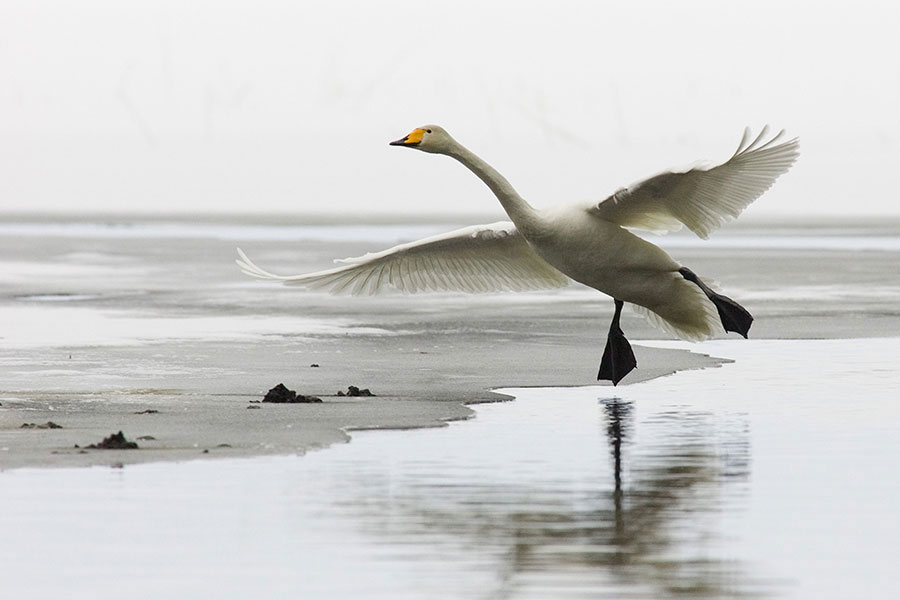
Similar to Bewick’s swans but larger, whooper swans have more yellow on the bill, like a wedge of cheese. They often make a triple trumpet blast, and when they fly, the wings swish quietly, unlike the mute swan’s noisy sighing.
2. Black-tailed godwit
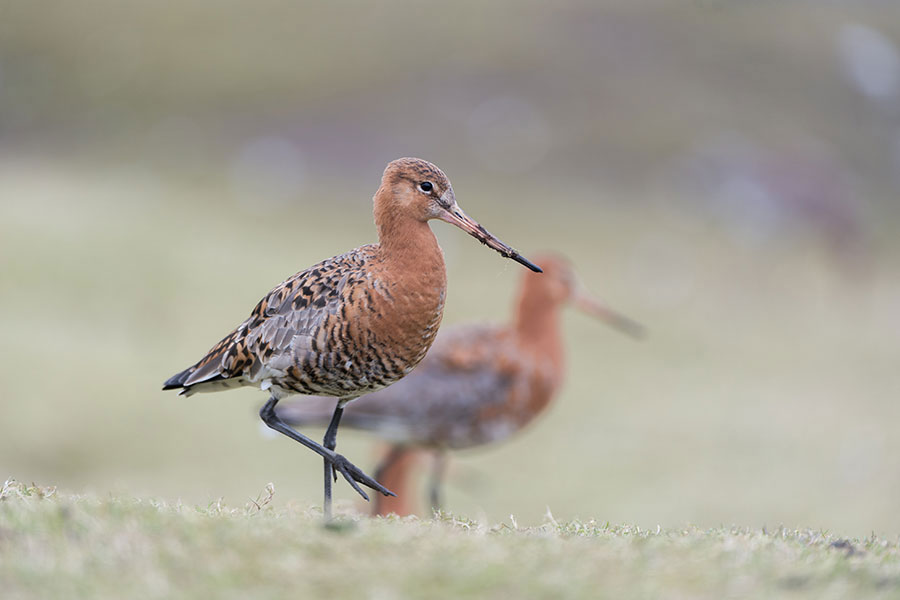
The quintessence of a true ‘wader’, the black-tailed godwit has long everything – wings, legs, wing-bars, bill and even tongue! Look for this truly elegant bird probing damp pastures.
3. Barnacle goose
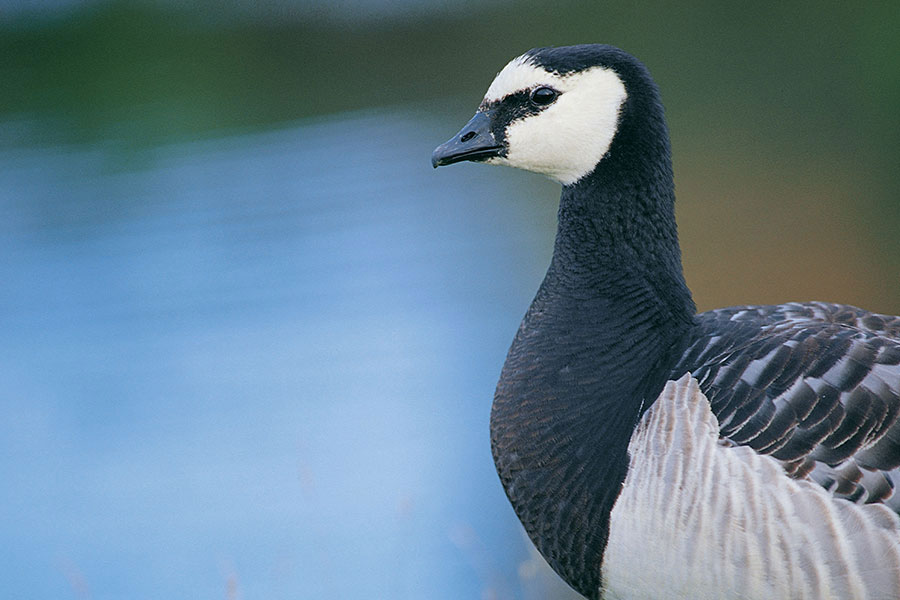
Barnacle geese are similar to Canada geese, although they are smaller, shorter-necked and sound like yapping dogs when in a flock. The whole face is a slightly dirty white, and they have greyer bodies.
4. Pochard
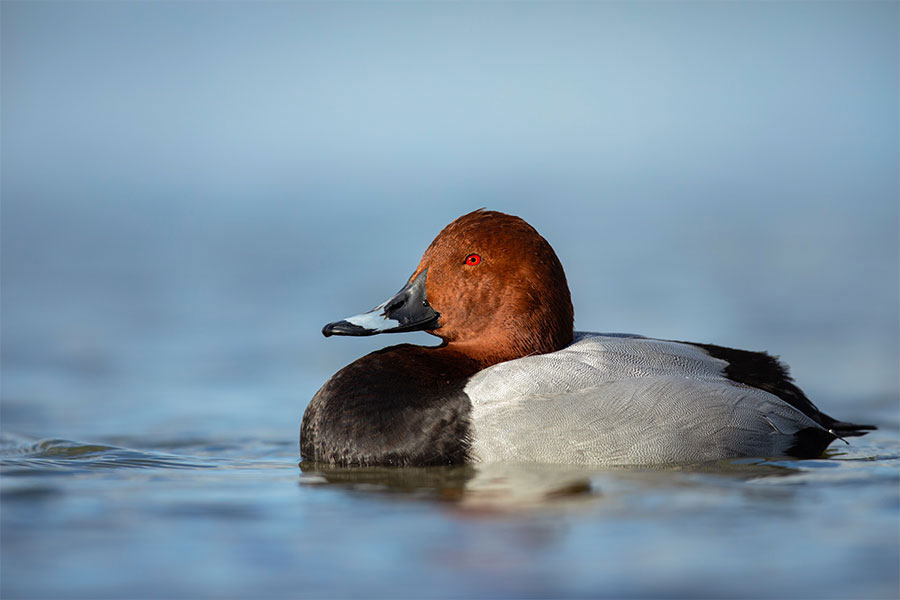
The male is tricoloured – a smart wine-red, black and grey. The female is dull brown, with a pale eye-ring that suggests a bad make-up day. They form large flocks in winter, often with other diving ducks.
5. Knot
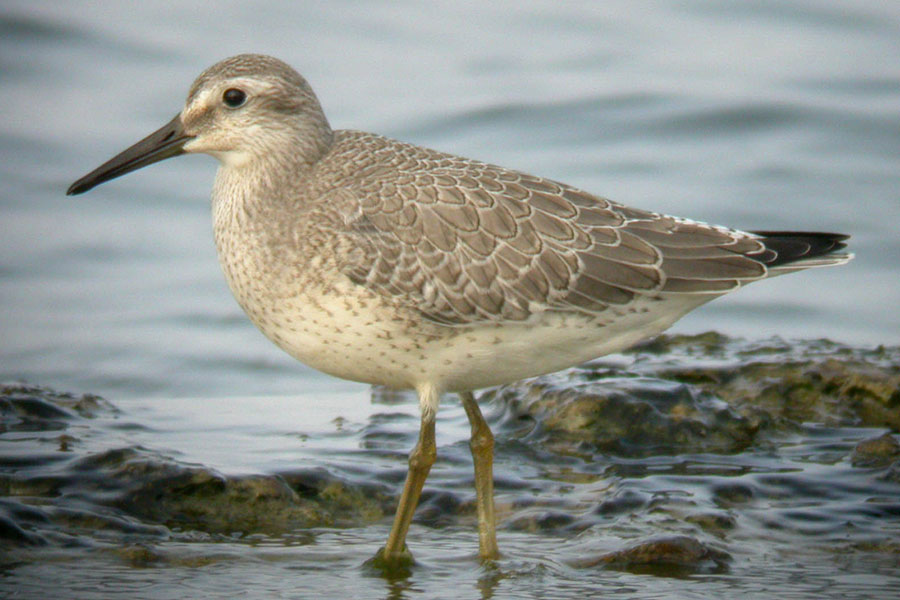
Rather dull, grey and featureless, the knot’s legs look too short for it as it probes into estuarine mud. Highly sociable once in a flock, the knot becomes a marvel, rivalling starlings for their dramatic aerobatics.
6. European white-fronted goose
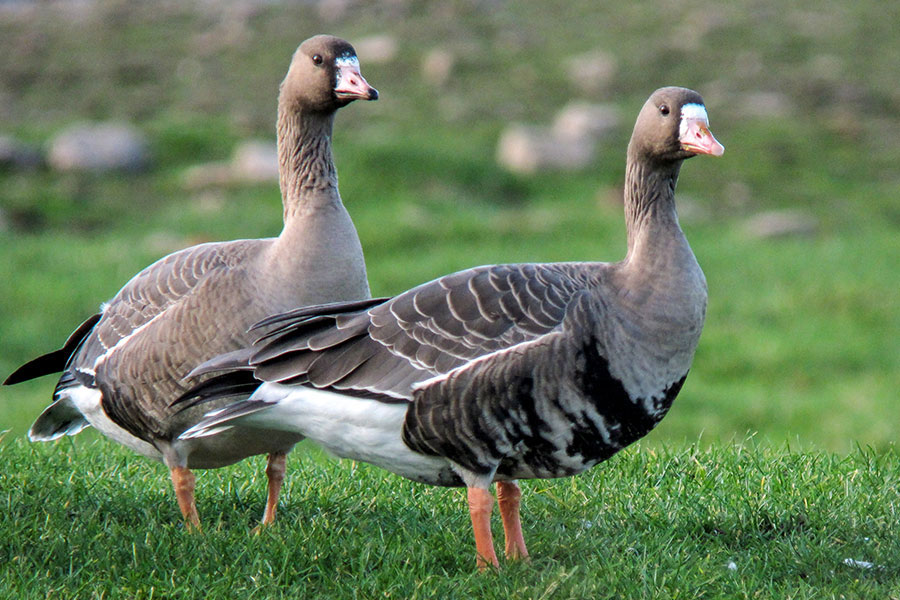
Did you know the white ‘front’ referred to in the name isn’t the front, it’s the front: French for forehead. The brown blotches on the breast are characteristic, and they feed in large, easily spooked flocks.
See it for yourself
As the mercury dips and winter approaches, our centres welcome thousands of ducks, geese and swans from the cold north. Come and see this spectacle for yourself, with a visit to your local WWT site. Not a member? Book online and save time on arrival.
Find your nearest wetland site.