
Header image: Cattle at Welney Ladyfen Bank Farm
When I’m not managing around 500 cattle that graze the reserve during summer, I do reserve and machinery maintenance, species monitoring and public swan feeds. As we’re a small team, we all help each other out.
Welney is a very wild reserve. We always get birds nesting in hides or in the workshop.
Without cattle, the reserve and the surrounding Ouse Washes would look totally different. Cows are fussy eaters – they wrap their tongues around the vegetation and rip it up. This creates a varied sward height, which provides shelter and food for wildlife. The cows help us remove scrub so it doesn’t take over and ruin the habitat for breeding waders. Without the herds, the Washes wouldn’t function as effectively as a flood-prevention reservoir.
Cattle churn up the ground around our pools with their hooves. As long as this ‘poaching’ is managed carefully, it loosens the soil for feeding waders. The insects attracted by cow dung are a great food source – we often see yellow wagtails and cattle egrets following the herds.
I love being outside, working with the cattle and nature. I do daily checks on the herds and on the water levels in the ditches and pools. I also radio in any sightings to be shared with visitors. It’s great to see people enjoying wildlife all year round.
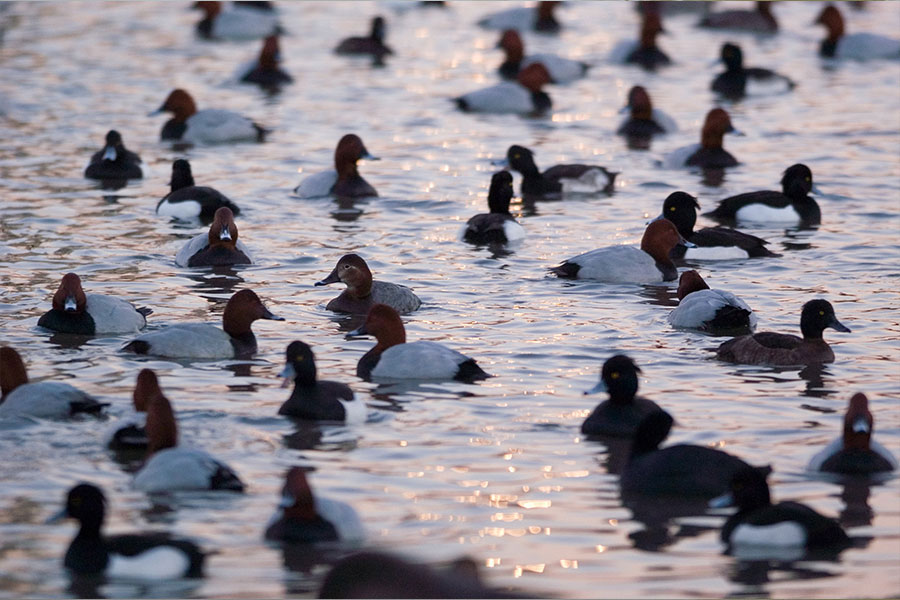 David loves seeing the pochards in Winter
In summer 2017, almost 70 cows escaped onto the footpath. They spent the night in an area where, just 24 hours earlier, Suki the giant LEGO® brick spoonbilled sandpiper sculpture had stood. I was so glad she’d already left and I didn’t have to rebuild her!
I love seeing pochards in winter. Thousands of them fly huge distances to visit Welney. With their red eyes, they’re full of character and are frantic feeders at the swan feeds.
A sense of humour gets us through. Getting a vehicle stuck in the mud, letting the cows out, accidentally scaring off a bird, trying to sneak a second slice of cake from the café… Word soon gets round the team and you’re never allowed to forget it!
Water-level management is important but challenging. There are typically high tides each month that we use to keep the pools and ditches topped up. Three sluices allow water onto the reserve, then, with a series of pipes, buckets and right-angled bends, we direct the water to where we need it. In spring, we need the water to be right for breeding waders – high enough to create muddy pool edges, but not so high that nests are flooded. In summer, the ditches need to be full for the cows to drink and to create ‘wet fences’ between the fields.
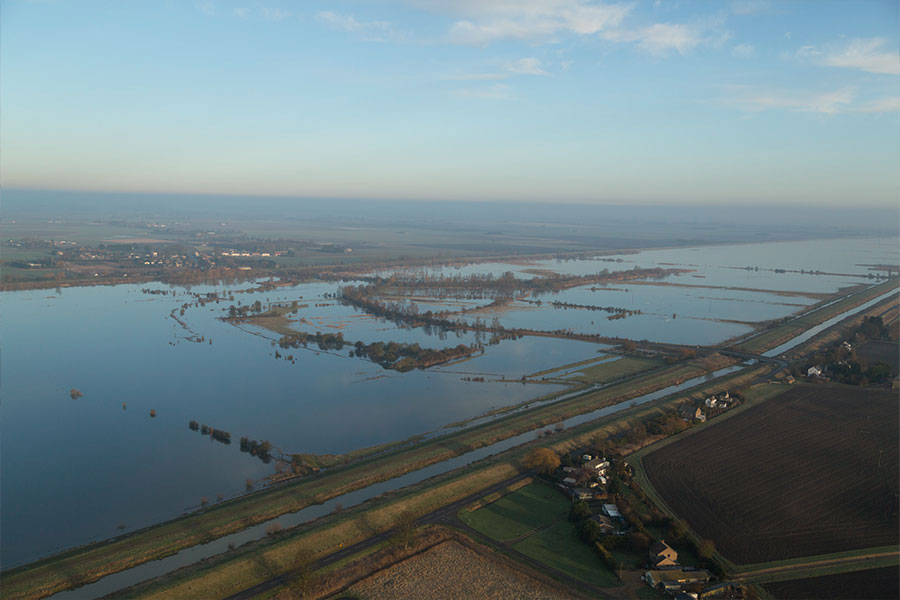 Water-level management is vitally important at Welney
The cows are all individuals. They remember the layout of the ditches, and know where they can cross. That even took me a while to memorise!
I wish people would respect the planet. All the plastic waste that gets washed on to the reserve after the winter floods is heartbreaking.
When the graziers drop off their cattle in spring, they trust me to look after them until they take them home in November. It makes me proud when they say how well they look and how much they’ve grown.
