
There is no longer any disputing the frightening reality: the world’s climate is changing and humans are the cause. A rampant increase in greenhouse gases, generated by fossil fuels, habitat destruction, intensive farming and other unsustainable practices, is overheating the planet. The 10 hottest years on record have all been since 2005.
With every year, the destructive effects of this warming intensify: droughts, floods, wildfires, heatwaves, storms and rising sea levels. Already, they are causing displaced people, lost livelihoods and the inexorable decline of biodiversity worldwide. Witness this summer’s floods in America, heatwaves in the UK and fires in Spain. Temperatures continue to rise, and for many species across the planet – not least our own – the future looks precarious. Make no mistake: this is a climate emergency.
Tackling the climate crisis
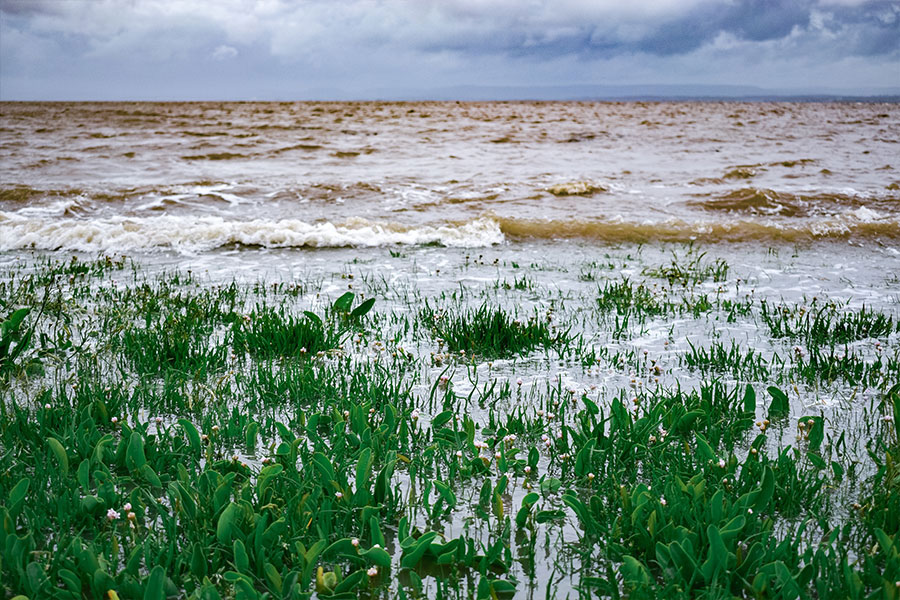
Wetlands are essential in addressing this emergency. These habitats occur wherever water meets land, and include marshes, rivers and streams, lakes, saltmarsh, peatlands, wet woodlands and seagrass beds. Collectively, they harbour more fauna and flora than most other habitats on Earth – and they have a critical role to play in combating climate change, both by mitigating it and helping us adapt to its effects.
“The services wetlands provide knock spots off forests,” says Geoff Hilton, WWT Head of Conservation Evidence. Wetlands can absorb water like a sponge, filtering out pollutants from our drinking supplies and slowing down the flow from river catchments to prevent flooding downstream. They can also provide coastal buffers against sea-level rise and storm surges. What’s more, they can be some of the most effective carbon sinks on the planet, with peatlands alone storing twice as much carbon as the world’s forests. On top of all that, they are even good for our health and wellbeing.
Troubling times
Unfortunately, wetlands are in trouble. Globally, they are now disappearing three times faster than forests. Since 1970, 81% of inland wetland species and 36% of coastal species have declined globally, with one-quarter of wetland plant and animal species now at risk of extinction. Closer to home, England has lost 90% of its wetlands over the past 1,000 years, with 100,000 hectares of freshwater wetlands disappearing annually during the middle decades of the 19th century alone. In Great Britain, 13% of freshwater and wetland species are threatened with extinction.
And it gets worse. As wetlands disappear, it exacerbates the impact of climate change, so the remaining wetlands become more vulnerable to climate change’s effects. As sea levels rise, for example, ‘coastal squeeze’ between low tide and sea wall shrinks intertidal habitats such as mudflats and saltmarshes. As rivers warm, they hold less oxygen, making them less suitable for fish that require cool, oxygenated waters.
Creating wetlands
At WWT, we are working tirelessly to protect and restore wetlands so that they can help us adapt to the climate emergency.
In Somerset, for example, we’re restoring saltmarsh. This habitat buries carbon, makes great nurseries for commercial fisheries and protects against flooding by attenuating wave energy before it hits the bund. At WWT Steart Marshes, 300 hectares of new coastal saltmarsh have already been created. So far, they have buried an estimated 25,000-32,000 tonnes of carbon. “The benefit:cost ratio of protecting saltmarsh can be huge,” says Geoff.
We are also targeting floodplains. “If you stop floodwaters from reaching a floodplain, by building river embankments, then that water has to go somewhere,” he explains, stressing the critical importance of this under-recognised habitat in natural flood management. “We need to reconnect floodplains to their rivers,” says Geoff, “so that when it chucks it down in the hills, it doesn’t all rush down into town.”
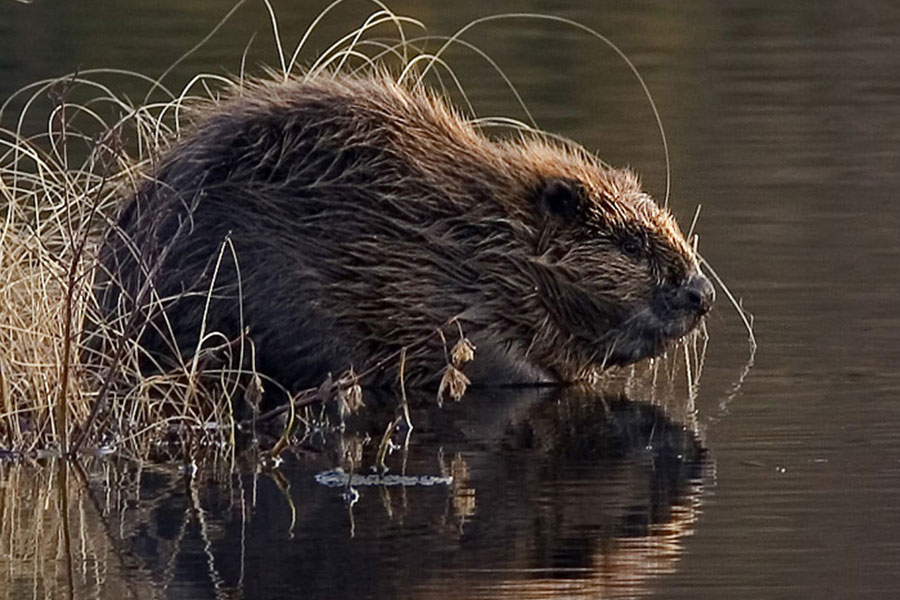
Working with our partners, other wetland adaptation measures have included creating ponds to act as stepping stones in a landscape, and supporting the reintroduction of beavers to Britain. These industrious rodents act as ‘ecosystem engineers’, naturally creating a more varied river structure, with deep pools and shallow stretches, that helps slow down floodwater and produces cool-water refuges.
A global solution
Overseas, meanwhile, we are working in places such as Madagascar and Cambodia to help impoverished communities that depend on wetlands for their livelihoods to adapt to the devastating effects of climate change. Projects include helping develop drought-friendly rice-farming techniques, blocking ill-conceived irrigation canal projects from the past in order to store vital summer floodwater, and planting ‘edible forests’ that both help store up carbon and offer sustainable resources. Completing much-needed vulnerability assessments and helping develop sustainable management plans has been vital to this work.
The importance of nature to our lives is clear, and the need to use its benefits to build back better is a priority. Wetlands can help us adapt to climate change by using nature’s solutions. As Geoff says: “Wetlands offer us multiple benefits – in spades!”
Show your support
Want to keep up to date with our conservation efforts to keep wetlands thriving? Subscribe to our free newsletter for regular updates on all things WWT.
Sign up for emails